

























It brings pleasure
Smoking delivers a calming ritual and sensory satisfaction (Dichter, 1947).
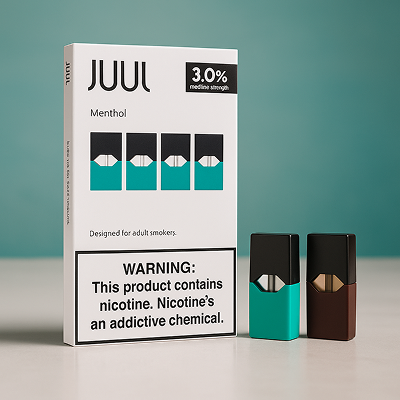
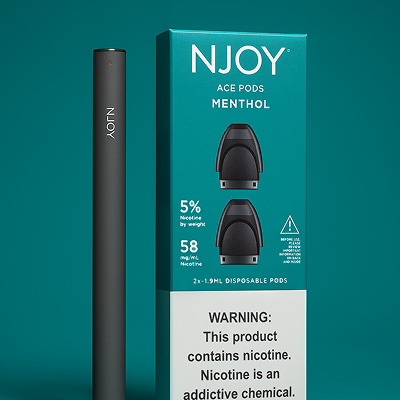
WARNING: This product contains nicotine. Nicotine is an addictive chemical.
Smoking isn’t just about nicotine—it’s a behavior tied to emotions, routines, and social experiences. Understanding why people smoke is an essential step toward making positive change, whether you want to reduce your nicotine intake or quit smoking altogether.
People smoke for more reasons than just addiction. According to Ernest Dichter (1947) and more recent insights from The Lung Association (2012), here are some of the most common motivations:
Smoking delivers a calming ritual and sensory satisfaction (Dichter, 1947).
Often used to relieve stress or tension (Dichter, 1947).
Watching smoke curl through the air is part of the appeal (Dichter, 1947).
Smoking gives the hands something to do, similar to fidgeting (TLA, 2012).
Smoking can help people feel included or connected (Dichter, 1947).
Some smokers use nicotine to help manage their weight (TLA, 2012).
Smoking often marks transitions like waking up or taking a break (TLA, 2012).
Some see smoking as an identity or personal statement (Dichter, 1947).
Smokers often associate it with nostalgia, relaxation, or bonding (Dichter, 1947).
People smoke for more reasons than just addiction. According to Ernest Dichter (1947) and more recent insights from The Lung Association (2012), here are some of the most common motivations:
Tobacco smoking is the leading cause of preventable death worldwide.6
Two-thirds of smokers want to quit, but many find it difficult without support.3
Nicotine is highly addictive and creates long-lasting dependency.5
Nicotine replacement therapies (NRT)—like patches and gum—often don’t lead to long-term success.4
Smoking is expensive. One pack of cigarettes can cost between $6–$14, which adds up to $2,190–$5,110 annually for daily smokers.
Take our “Why Do I Smoke?” Test—a helpful, research-based quiz that helps you uncover the psychological and emotional reasons behind your smoking habit.
Understanding your motivation is the first step to taking control of your nicotine journey.
1. Smokefree Veterans. Reasons People Smoke. Retrieved from: veterans.smokefree.gov
2. National Cancer Institute / Smokefree.gov. Know Your Smoking Triggers. Retrieved from: smokefree.gov
3. Centers for Disease Control and Prevention. (2011). Quitting Smoking Among Adults—U.S., 2001–2010. Retrieved from: cdc.gov
4. Dwyer, M. (2012). Nicotine Letdown, Harvard Gazette. Retrieved from: harvard.edu
5. Centers for Disease Control and Prevention (CDC). Why Quitting Smoking Is Hard. Retrieved from: cdc.gov
6. Health Effects of Tobacco. (2013). Wikipedia. Retrieved from: Wikipedia
Get exclusive monthly coupons straight to your inbox, earn store credit with every purchase, and stay ahead with product drops & flash sales.